Through Artivism and Science, Social Art and Culture, and Whitman-Walker Health are Delivering Change
WASHINGTON, DISTRICT OF COLUMBIA, UNITED STATES, February 25, 2026 /EINPresswire.com/ — Social Art and Culture, a nonprofit advancing equity through artistic and creative practice announces the launch of Artivists for Health: Diabetes in Color (DIC), an art-based health prescription initiative focused on improving Type 2 diabetes outcomes in communities of color. Supported in part by the DC Commission on the Arts and Humanities (DCCAH) East Arts Grant, DIC is a signature project of Social Art and Culture’s Artivists for Health (AFH) program. The initiative begins March 21 during National Nutrition Month and continues through Men’s Health Month (June). By integrating artistic expression and social prescribing into public health education, awareness, and disease management, DIC will focus programming on residents of Wards 5, 7, and 8 to engage people with type 2 diabetes in the programming and measure self-reported outcomes. Programs will take place at the Max Robinson Center, Whitman-Walker Health’s location in Congress Heights, and the DC Department of Parks and Recreation (DPR) Turkey Thicket Recreation and Deanwood Community Center, all located in Washington, D.C.
The initiative hosts free monthly Creative Care Sessions open to the public and to an identified cohort, developed in partnership with Whitman-Walker Health and the Georgetown University Stress, Health, and Development Lab. The focus is on adults ages 45–64 living with Type 2 diabetes in Wards 5, 7, and 8. The 60-90-minute sessions are led by D.C.-area artists who connect health and justice to their practice. Sessions include cultural somatic dance, sound healing, sound bath, playback theater, mindful creative coloring, breathwork, and culinary arts. For more information on the Artivists for Health: Diabetes in Color Creative Care Sessions dates, locations, and times: https://bit.ly/afhdiabetesincolor.
Diabetes in Color addresses the increased number of those living with Type 2 diabetes in Washington, D.C., where non-Hispanic Black adults show significantly higher rates than the general population. The American Diabetes Association’s 2023 State Fact Sheet notes that adult diabetes prevalence in the District is estimated at 11.1%, and about 36,000 adults, or 14.3% of the adult population, have been diagnosed with diabetes. With an immediate need for culturally grounded interventions in public health, DIC plans to shift diabetes education from focusing solely on clinical statistics to include creative care.
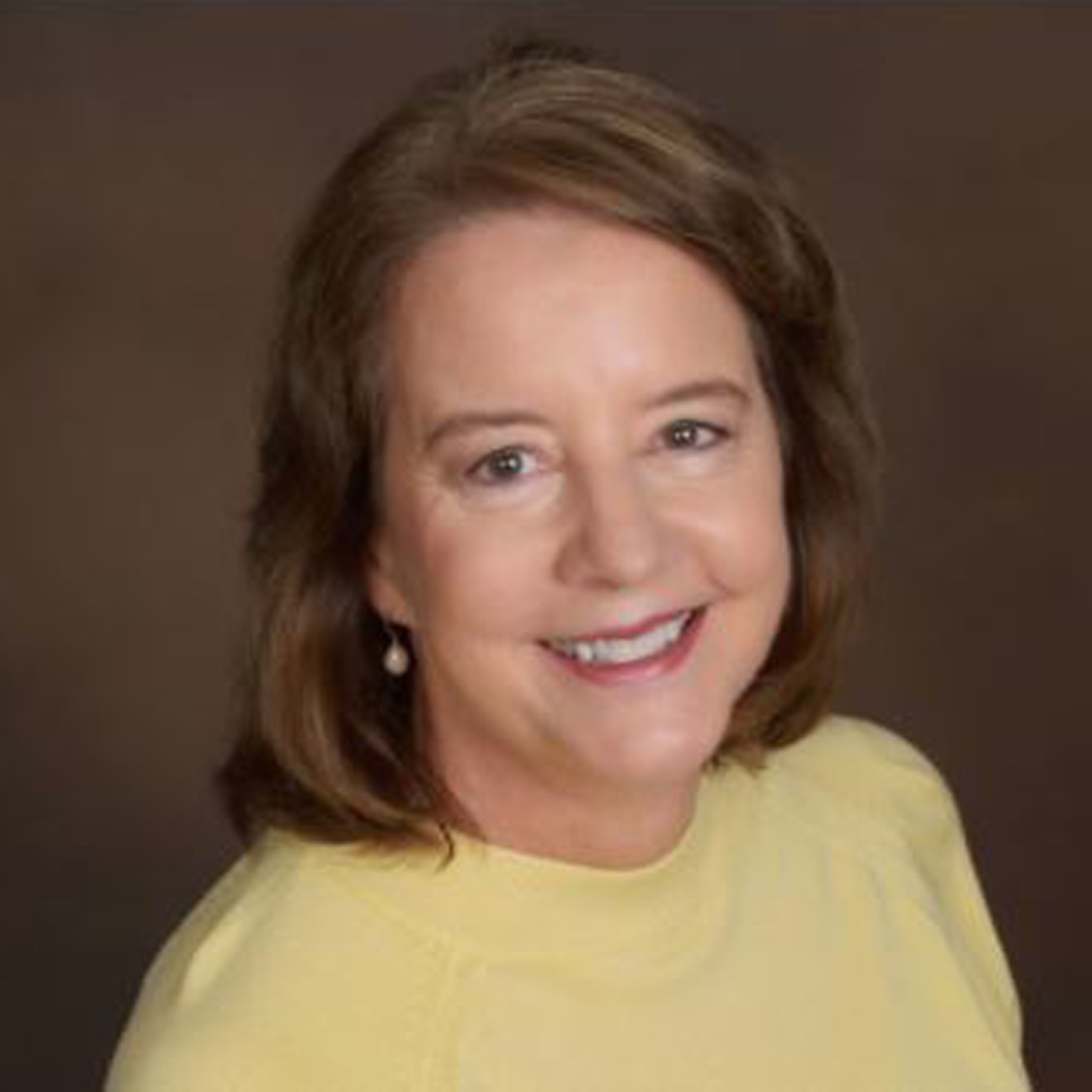
“Diabetes in Color positions art as a credible public health tool,” said Karen Baker, Board President, Social Art and Culture. “By centering community voices, culture, and creative practice, we aim to change how diabetes care is understood and delivered. DIC bridges artivism, health, and science to deliver impactful data under an unprecedented collaboration.”
“Whitman-Walker Health is excited to be a partner with Social Art and Culture to open the doors of the Max Robinson Center and make the Diabetes in Color initiative possible,” said Naseema Shafi, CEO, Whitman-Walker Health. “The opportunity to engage people living with diabetes through art and movement will help affirm their lived experiences and enable us to transform how we provide healthcare. We look forward to welcoming our neighbors to participate, learn, and enjoy the diverse DIC programming that also emphasizes the importance of achieving and maintaining good health.”
The initiative’s “Measuring Impact Through Art and Data” component is in partnership with Georgetown University’s Stress, Development, and Health Lab. The goal is to improve glucose management for at least 60% of the cohort and public study participants through integrating creative practice into health behavior change. Data collection includes illustrated health diaries, pictorial storytelling, community story circles, and narrative-based surveys. Beyond the pilot, Social Art and Culture sees Diabetes in Color as a replicable, effective social prescribing model for incorporating the arts and creative care practices into chronic disease care within the Mid-Atlantic.
Social Art and Culture
Founded in 2009 as a 501 (c) (3), Social Art and Culture proudly resides in Southeast Washington, DC’s Historic Anacostia Arts and Culture District. Using the power of the arts to educate and advance marginalized and underserved communities, we strive to lead the new narrative around how we invest in the creative economy—a new, economically sustainable framework that invests in artisans and its culture. This framework continues to build our aperture for socially responsible artisans and artivists, where we collaboratively showcase their works’ impact through exhibitions, media arts, fellowships, and curated experiences. More info can be found at: socialartandculture.info.
Whitman-Walker Health
Whitman-Walker Health envisions a society where all people are seen for who they are, treated with dignity and respect, and afforded equal opportunity to health and well-being. For over 50 years, we have provided comprehensive and inclusive primary medical care, behavioral health care, dental care, family support services, and a range of health-related legal and support services to more than 23,000 individuals and families annually in the greater Washington, DC region. Our care model is rooted in our legacy of service to the LGBTQ communities, people living with HIV, Black and Latino communities, and other people facing barriers to accessing health care. At Whitman-Walker Health, our motto “We See You” symbolizes that we see patients, but we see the person first. More info can be found at: www.whitman-walker.org.
Karen Baker
Social Art and Culture
director@socialartandculture.info
Legal Disclaimer:
EIN Presswire provides this news content “as is” without warranty of any kind. We do not accept any responsibility or liability
for the accuracy, content, images, videos, licenses, completeness, legality, or reliability of the information contained in this
article. If you have any complaints or copyright issues related to this article, kindly contact the author above.